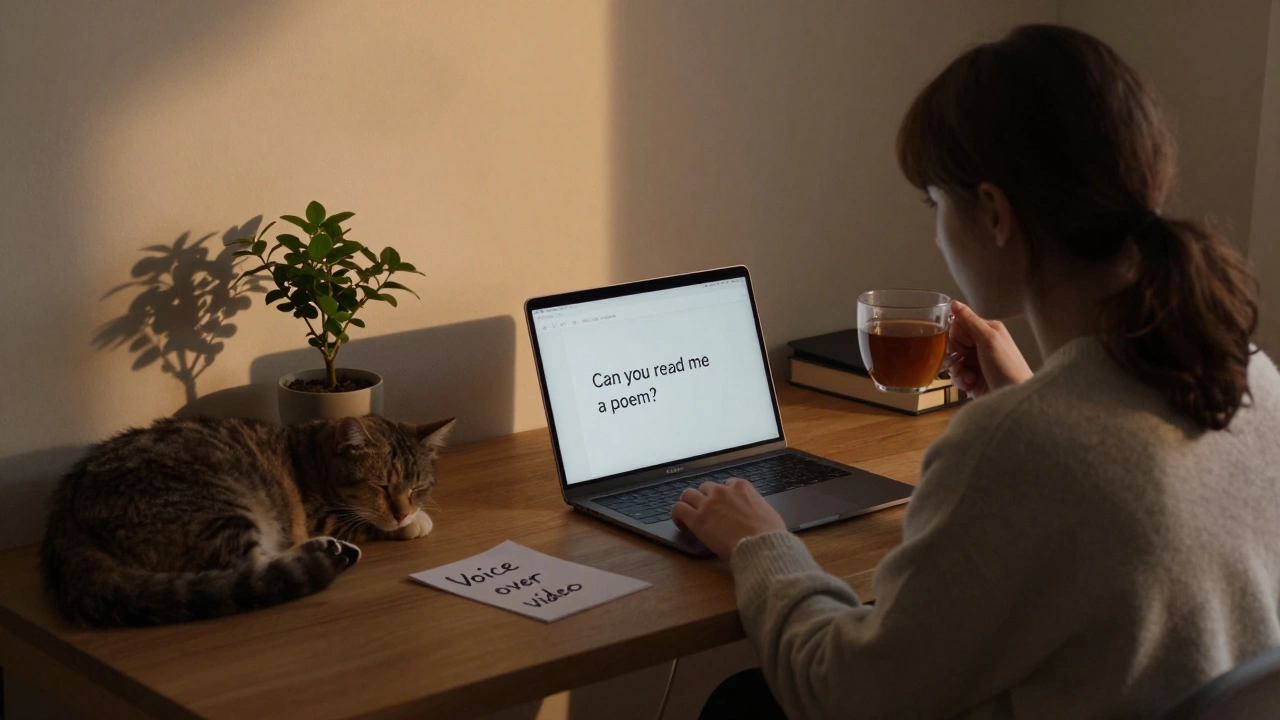
When Jenna Love first started doing online sex work, she didn’t think of it as a job. She thought of it as a way to stay connected-to people, to her own body, to a sense of control she’d lost after years of working retail shifts and caring for her sick mother. "It’s all about connection," she says, sipping tea in her Manchester flat. "Not just the sexual part. The listening. The being seen. That’s what people pay for."
That’s why platforms like OnlyFans and ManyVids grew so fast. Not because of the explicit content, but because they turned loneliness into a commodity. Jenna didn’t post videos to shock people. She posted them because someone in Paris, typing "sex paris" into a search bar at 2 a.m., needed to hear a voice that didn’t judge. That same person might have scrolled past ads for "escort paris 11" or "escort paris 7"-services that promise physical presence, but rarely deliver emotional safety. escort paris 11 might get you a body in a hotel room, but it won’t tell you about the quiet nights when your kids are asleep and you just need someone to say, "I’m here."
What online sex work really looks like
Jenna’s day starts at 9 a.m. with coffee, then a 20-minute stretch routine. She doesn’t do live shows until after lunch. She blocks out time for meals, walks, and calls to her sister. Her schedule is strict because she learned early that burnout doesn’t come from too much work-it comes from too little structure.
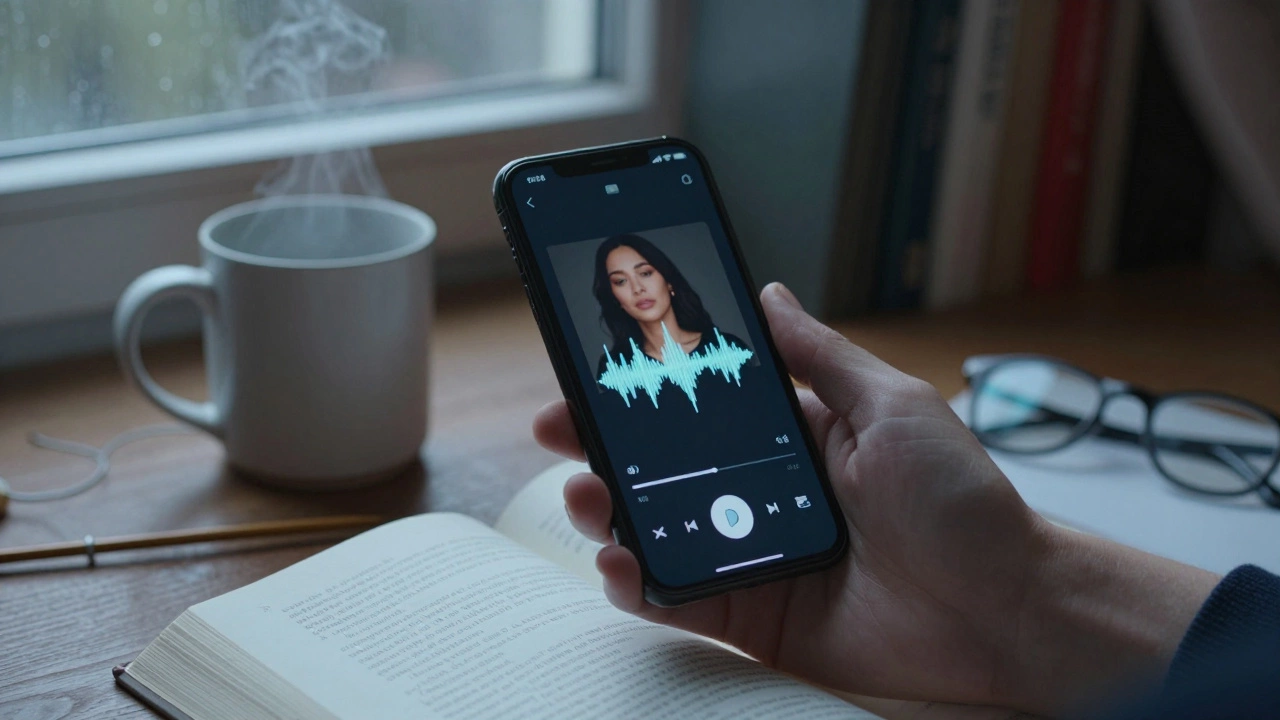
She doesn’t use the term "sex worker" to describe herself. "I’m a content creator who happens to use my body," she says. Her audience isn’t looking for porn. They’re looking for authenticity. A 42-year-old accountant in Lyon sends her a message every Tuesday: "Today was the day my boss fired me. Can you read me a poem?" She does. No camera. Just voice. He pays $15 a week. That’s her most loyal customer.
She keeps her face hidden. Uses a pseudonym. Never shares her location. She’s learned the hard way that visibility doesn’t mean safety. One fan from Marseille tried to track her down after she posted a photo of her cat near a window with a street sign in the background. She deleted everything. Changed her username. Started over.
The myths that don’t hold up
People think online sex work is easy money. That’s not true. It’s exhausting. It’s emotionally draining. It’s a job where you have to be funny, warm, and available-even when you’re tired, sick, or grieving.
And it’s not just about the content. There’s editing. Marketing. Customer service. Tax prep. Legal research. Jenna hired a freelance accountant last year because she kept getting flagged by her bank for "suspicious activity." Her transactions looked like gambling. They weren’t. They were subscriptions from people in Canada, Japan, and Brazil.
Platforms change their rules without warning. One week, a video with a hand on a thigh is fine. The next, it’s banned for "suggestive content." Jenna keeps backups of every post. She’s lost earnings twice because of algorithm shifts. She doesn’t complain publicly. She just adapts.
Why connection matters more than exposure
Jenna doesn’t chase viral moments. She doesn’t post bikini pics to get likes. She posts things that feel true: a selfie after a bad day, a voice note about her mom’s hospital visit, a clip of her cooking pasta while humming a song she hasn’t heard since she was 16.
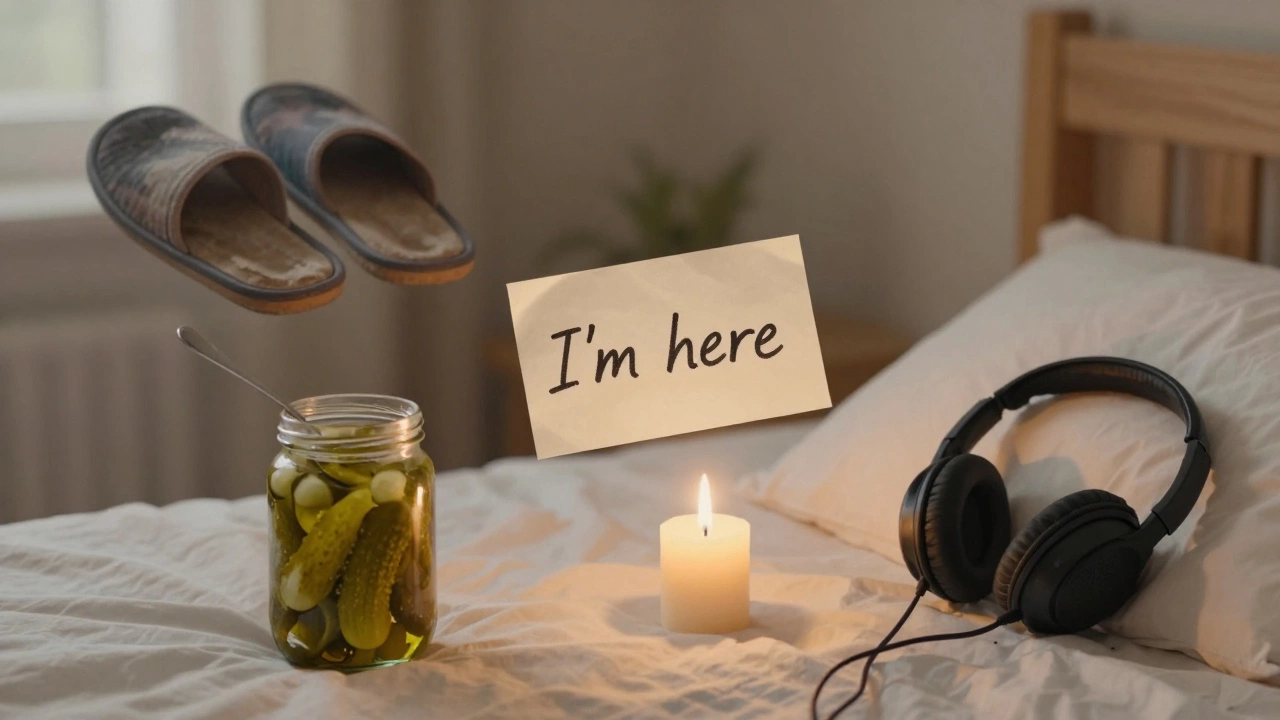
One of her top-selling clips? A 37-second video of her laughing while trying to open a jar of pickles. No nudity. No flirting. Just a moment of real, unscripted joy. Over 12,000 people paid to watch it. Not because they wanted sex. Because they wanted to feel less alone.
She gets messages like: "I watched this while my husband was snoring. For the first time in months, I didn’t feel broken." That’s why she keeps going. Not for the money. For the moments like that.
How the industry is changing
Five years ago, most people in online sex work were young women. Now, there are men, non-binary creators, people over 50, parents, retirees. One of Jenna’s colleagues, a 68-year-old former librarian from Lyon, makes more than she does. Her niche? Reading classic novels aloud while knitting. No skin shown. Just voice and rhythm. Her audience? Men with dementia, women recovering from surgery, people with chronic pain.
Regulation is tightening. The UK’s Online Safety Act has made banks nervous. Payment processors are pulling out. Some creators are switching to crypto. Others are moving to decentralized platforms. Jenna hasn’t moved yet. She’s waiting to see how it plays out.
What’s clear? The demand isn’t fading. It’s evolving. People aren’t just buying sex anymore. They’re buying presence. Validation. Quiet companionship.
What’s next for Jenna?
She’s starting a podcast. No explicit content. Just interviews with other creators-how they handle rejection, how they pay their taxes, how they say no when they’re exhausted. She calls it "The Quiet Work." She’s already recorded episodes with a trans artist in Berlin, a single dad in Toronto, and a retired nurse in Marseille who does ASMR for veterans with PTSD.
She’s also writing a book. Not a memoir. Not a how-to. A collection of anonymous messages she’s received. "These aren’t love letters," she says. "They’re lifelines. I’m just the one holding the rope."
She doesn’t want to be famous. She doesn’t want to be a symbol. She just wants to keep doing the work-on her terms, in her space, with her boundaries intact.
"Connection," she says again, "is the only thing that lasts."
Is online sex work legal?
In the UK, creating and selling adult content online is legal as long as you’re over 18, the content is consensual, and you’re not promoting illegal acts. Payment processors and platforms may have their own rules, but there’s no law against it. Many creators use offshore banks or crypto to avoid banking restrictions. Always check local laws if you’re based outside the UK.
How do creators stay safe online?
Top safety practices include using a pseudonym, never sharing your location, blocking screenshots, using a VPN, and avoiding direct messages with strangers. Many use burner email addresses and separate devices for work and personal life. Jenna keeps all client interactions on platform channels and never gives out personal contact info. She also screens new followers for red flags like aggressive requests or attempts to identify her.
Do people in online sex work make a lot of money?
A small percentage make six figures, but most earn between £500 and £3,000 a month. Success depends on consistency, niche, and audience connection-not just looks or frequency. Jenna’s top-earning content isn’t sexual-it’s her voice recordings and daily updates. Many creators earn more from tips and messages than from videos. The myth of instant wealth is just that-a myth.
Can you do this while having a regular job?
Yes. Many creators start part-time while keeping other jobs. Jenna worked as a barista for two years while building her audience. The key is time management and emotional boundaries. You can’t be fully present for clients if you’re drained from another job. Start slow. Test content. See what resonates. Don’t rush into full-time until you have steady income and a system that works.
What’s the biggest mistake new creators make?
Trying to be everything to everyone. Posting too much too fast. Comparing yourself to viral creators. Jenna’s first month, she posted 30 videos. Only 3 got any sales. She learned that quality and consistency beat volume. Focus on one type of content that feels true to you. Build a small, loyal audience. Trust grows slowly. It’s not a race.